
The most literate, most skeptical audience.
Your audience is the most scientifically literate and the most skeptical you will face. They do not want it simplified. They want it accurate, complete, and respectful of their expertise.
Communication that talks down to a clinical audience does not just fail. It damages the relationship you depend on.
Getting it right is a discipline of its own, one we call medical affairs communication.
What we build for scientific exchange.
Scientific platform & narrative for field teams
The evidence backbone MSLs carry into the field: accurate, complete, and ready for an expert audience.
Case note: Adaptive KnowMRD →Congress presence & KOL engagement
A coherent congress presence across posters, symposia, and advisory boards, reflecting the quality of the science and earning the trust of the room.
Disease state education
The context an expert audience needs, communicated without condescension.
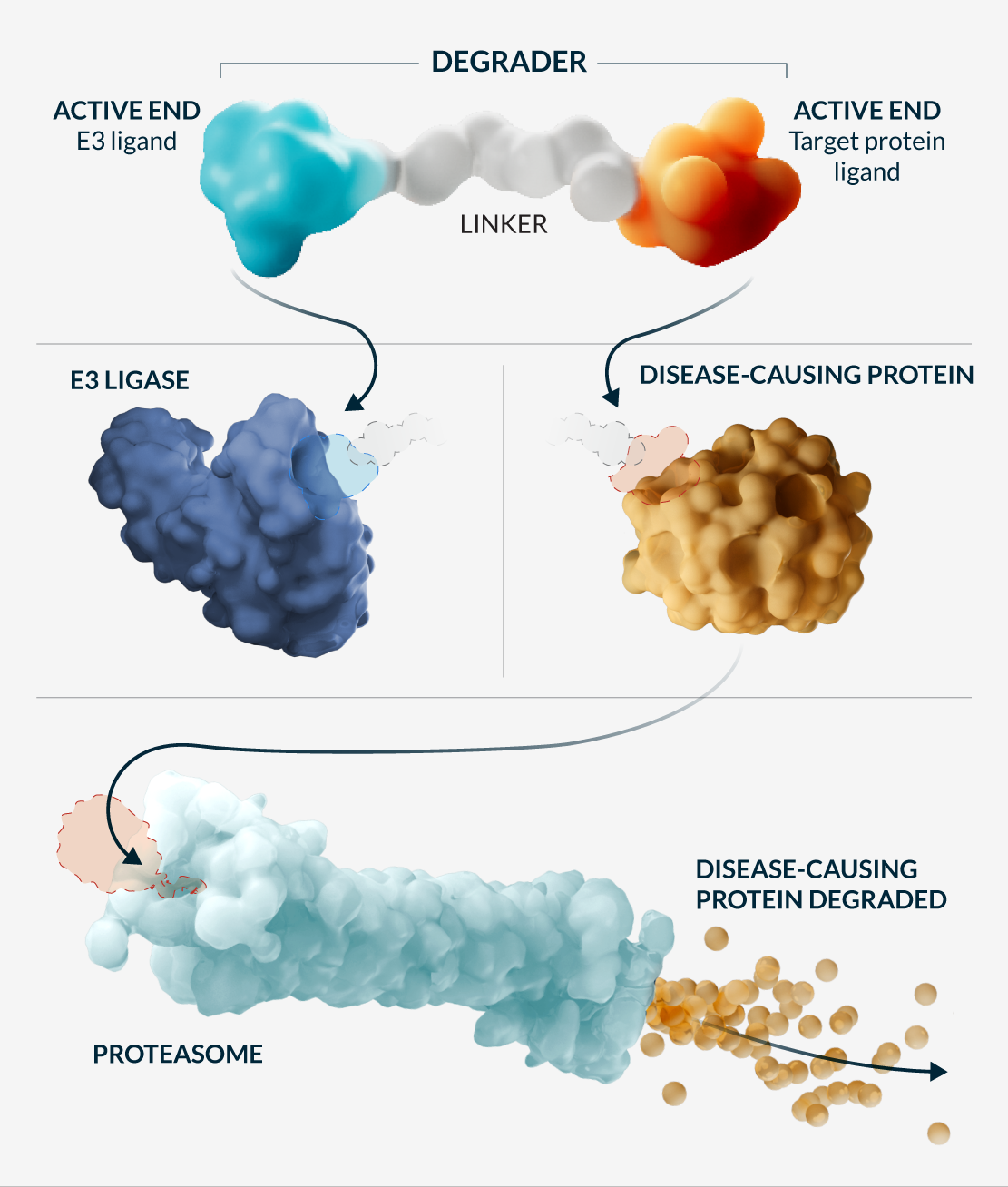
MoA & mode of disease for clinical audiences
Mechanism and disease biology rendered at the depth an expert audience expects.
Case note: Pacira →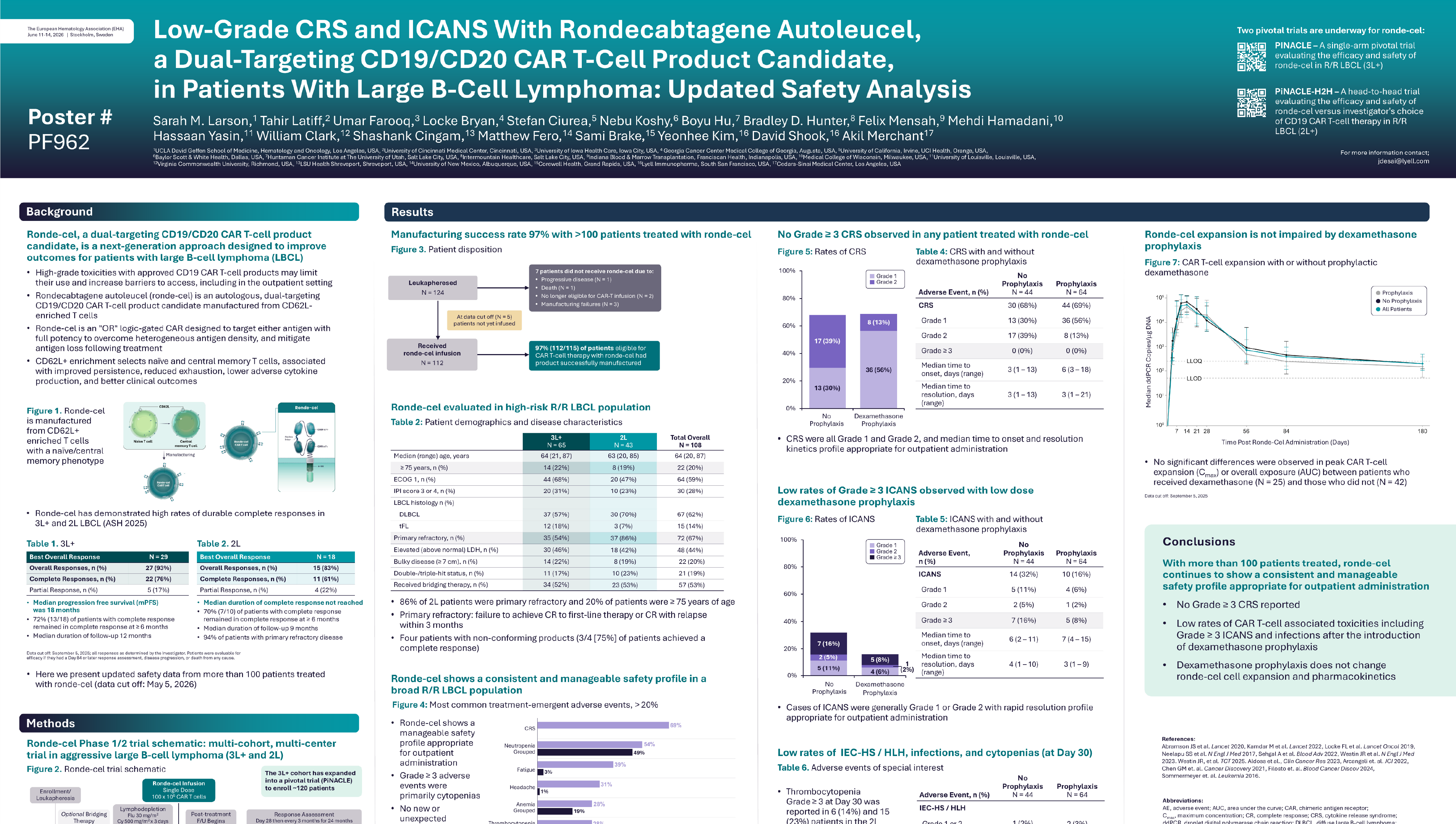
A dual-targeting CD19/CD20 CAR-T, tested the hard way: head-to-head against the approved standard, not a single arm. The first trial of its kind.
CAR-T safety data is intricate and high-stakes. It had to read clearly to clinicians at a glance, in a poster hall, with the rigor an expert audience trusts and not a promotional word out of place.
Editorial and figure schematics that turned a dense dataset into a clear, credible poster. The science made to land for the room at EHA 2026.
Questions about medical affairs communication.
What is scientific exchange in medical affairs?
The credible, balanced communication of evidence to expert audiences, distinct from promotion. It serves the scientific relationship rather than the sales message.
How do you communicate clinical evidence to KOLs?
By communicating evidence accurately and completely, respecting the audience's expertise, and holding the line between scientific exchange and promotion.
What is the difference between medical affairs and marketing communication?
Marketing communication promotes; medical affairs communication serves scientific exchange: balanced, evidence-led, and built for an expert, skeptical audience.
What makes effective MSL materials?
Materials fluent enough in the science to communicate evidence without diluting it, accurate and complete, and respectful of the clinical audience they serve.